

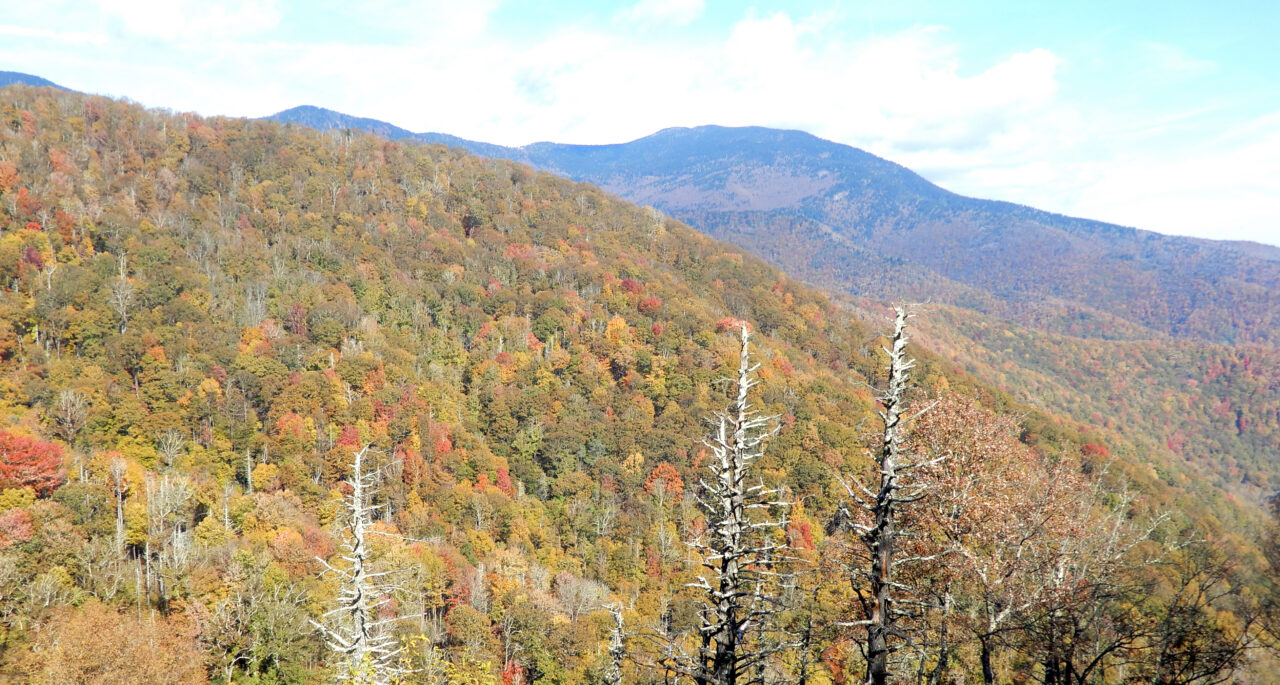
Picnicking along the Blue Ridge Parkway offers a unique blend of breathtaking scenery, fresh mountain air, and the chance to relax in nature. This picturesque route is ideal for families, road-trippers, and photographers, providing a variety of settings from serene lakeshores to stunning overlooks. Whether you’re seeking a peaceful lunch spot or a vibrant gathering place, the Parkway has something for everyone, making it a perfect destination for a delightful outdoor meal.
Get more Mid-Atlantic National Park travel tips & news here.
Where is Blue Ridge Parkway?
The Blue Ridge Parkway stretches through the Appalachian Mountains, primarily in North Carolina and Virginia, linking the Great Smoky Mountains National Park and Shenandoah National Park. This scenic corridor boasts a plethora of picnic-friendly surroundings, including lush forests, rolling hills, and panoramic vistas. Nearby towns such as Asheville, Boone, and Waynesboro serve as excellent gateways to this stunning area, making it easy to access picnic spots along the route.
Best time to picnic in Blue Ridge Parkway
The ideal time for picnicking at the Blue Ridge Parkway is during the spring and fall when temperatures are mild, and the scenery is particularly vibrant. Summer can bring large crowds and heat, making it essential to seek shaded areas and plan for potential bugs. In winter, some services may be limited, and snow can affect accessibility. Always check for any seasonal closures that might impact your plans.
Best picnic areas in Blue Ridge Parkway
- Scenic Overlook Picnic Area – These spots provide breathtaking views of the surrounding mountains, making for a picturesque dining experience. The expansive vistas are perfect for photography and enjoying the sunset. Amenities to look for often include picnic tables and trash receptacles, but verify on-site.
- Lakeside Day-Use Area – Enjoy a tranquil setting by the water, ideal for families and those wanting to relax. This area often features fishing opportunities and walking trails along the shore. Amenities may include parking and picnic tables—check on-site for details.
- Shady Grove Near Visitor Center – Often found adjacent to visitor centers, these shaded spots are perfect for a quick lunch or snack while learning about the area. They can be great for families with children who need a place to stretch their legs. Verify on-site for amenities.
- Historic District Greenspace – Some areas along the Parkway feature greenspaces in charming historic districts, adding a cultural element to your picnic. These spots can be ideal for leisurely lunches while soaking in local history. Amenities might include benches and grassy areas—check on-site for specifics.
- Riverside Access Point – For those who love the sound of flowing water, a riverside picnic area can be a calming choice. Enjoy the gentle sounds of the river while savoring your meal. Amenities are often available in developed areas—verify on-site.
- Campground Day-Use Loop – Campgrounds along the Parkway often have day-use areas perfect for picnicking without the need for overnight reservations. These spots usually offer a community vibe, making them great for larger gatherings. Amenities may include picnic tables—check on-site for availability.
- Quiet Forest Edge – For those seeking tranquility away from crowds, a picnic spot at a forest edge offers peace and natural beauty. Ideal for intimate gatherings or solo meals surrounded by nature. Amenities may be limited—verify on-site.
- Mountain View Point – These locations provide stunning panoramic views of the Blue Ridge Mountains, making them perfect for a memorable picnic experience. The breathtaking backdrop is sure to enhance the enjoyment of your meal. Amenities often include parking and viewpoints—check on-site.
- Picnic Area with Interpretive Signs – Some picnic areas include educational displays about the local flora and fauna, making them not only a place to eat but also to learn. This can be particularly engaging for families with children. Verify on-site for available amenities.
- Winding Trail Picnic Spot – Located near scenic hiking trails, these picnic spots allow visitors to enjoy a meal after a rewarding hike. The combination of physical activity and dining makes for a fulfilling day. Amenities are often available in developed areas—check on-site.
What to bring
Preparing for a picnic in the Blue Ridge Parkway involves packing some essential items. Bring a reusable trash bag for waste, sanitizing wipes for cleanliness, and a cozy blanket for seating. An insulated bag will help keep your food fresh, and don’t forget plenty of water to stay hydrated. Layers are advisable as mountain weather can change quickly, and bug protection is essential, especially in warmer months. If wind is a concern, consider a plan to secure your belongings.
Book an Activity or Tour along the Blue Ridge Parkway
Pet-friendly tips
Bringing a dog along for your picnic can enhance the experience, but be aware of general pet etiquette. Many areas require dogs to be on a leash, and some spots may restrict pets from trails or buildings. Always pack extra water for your pet and have waste bags on hand to keep the area clean. Avoid letting your dog interact with wildlife, and verify current pet regulations on the official site before you go.
Facilities to expect
While many developed areas along the Blue Ridge Parkway often have restrooms and potable water, these facilities may not always be available, especially in the off-season. It’s wise to fill up on water in nearby gateway towns or at visitor centers. Always bring extra water with you to ensure you stay hydrated throughout your outdoor meal.
Grills and fire rules
When planning a picnic, be mindful of the rules regarding grills and open flames. Designated grills are permitted in certain areas, but it is essential to never assume that open fires are allowed. Fire restrictions can change quickly, particularly during dry seasons. Always check the official site for current regulations to ensure a safe and enjoyable experience.
Leave no trace
Practicing Leave No Trace principles is crucial for preserving the natural beauty of the Blue Ridge Parkway. Be sure to pack out all trash, including food scraps, and secure your belongings to avoid attracting wildlife. Keep noise levels down to maintain the serene atmosphere, stay on durable surfaces, and leave the picnic area cleaner than you found it.
Grab-and-go food
To make your picnic experience seamless, opt for easy, non-messy food options. Sandwiches, wraps, and fresh fruits are great choices, as they are easy to prepare and transport. Local markets, delis, and bakeries in gateway towns offer a variety of fresh, delicious options for your picnic. Consider stopping by to pick up some local treats to enhance your meal.
Fees and permits
While many areas of the Blue Ridge Parkway are free to access, entry fees, day-use fees, or parking permits may apply in certain locations. Always check the official park/site for current details to avoid any surprises during your visit.
Before you head out, verify all rules and regulations, arrive early for the best spots, and remember to bring a trash bag for your waste. Having a backup picnic location in mind is also a smart idea, ensuring you can enjoy your time in this beautiful area. Happy picnicking!
Where to stay
Visitors to the Blue Ridge Parkway have a variety of lodging options that cater to different preferences and budgets. Whether you’re looking for a cozy cabin nestled in the woods or a comfortable hotel with modern amenities, there are accommodations to enhance your stay. For those who prefer a more immersive experience, campgrounds offer a chance to connect with nature, while vacation rentals can provide a home-like atmosphere for families or groups.
Consider the following lodging styles when planning your trip:
- Hotels
- Motels
- Cabins
- Campgrounds
- Vacation rentals
- Bed and breakfasts
- Hostels
Book a Hotel along the Blue Ridge Parkway
Dining options
The dining scene along the Blue Ridge Parkway is as diverse as its landscapes. Visitors can find a range of options from casual cafés to more formal dining establishments. Many of these venues emphasize local ingredients and Appalachian cuisine, allowing visitors to savor unique regional flavors. It’s essential to check operating hours, as they can vary, especially during peak tourist seasons, and some restaurants may require reservations to ensure a table.
When planning your meals, look for dining options that accommodate various dietary needs, as many restaurants are becoming more aware of vegetarian, vegan, and gluten-free preferences. For more tips on dining along the Parkway, consider following National Park Adventurers for updates and recommendations.
Travel tips and safety
Traveling the Blue Ridge Parkway can be a delightful experience, but it’s important to prepare for the unique challenges of the area. Weather conditions can change rapidly, especially in higher elevations, so being ready for rain or sudden temperature drops is crucial. Additionally, wildlife encounters, particularly with deer and bears, may occur, so practicing safe viewing etiquette is essential to ensure both your safety and the well-being of the animals.
- Check weather forecasts before heading out and be prepared for sudden changes.
- Carry layers of clothing to adjust to fluctuating temperatures.
- Stay hydrated, especially if hiking or engaging in physical activities.
- Be aware of wildlife, and never approach or feed animals.
- Notify someone of your travel plans, especially if hiking alone.
- Follow all park rules and regulations, including fire restrictions.
- Use caution on roads, especially during inclement weather.
- Keep an eye on trail conditions and closures by checking official sources.
Packing list and what to bring
Essentials
- Reusable water bottle
- First aid kit
- Sun protection (sunscreen, hat, sunglasses)
- Insect repellent
- Map of the area
Clothing
- Weather-appropriate layers (jackets, sweaters)
- Comfortable hiking shoes
- Hat and gloves for colder seasons
- Sturdy backpack for day trips
Food & water
- Non-perishable snacks (nuts, granola bars)
- Packed meals (sandwiches, salads)
- Cooler for perishables
- Extra water for hydration
Optional / nice-to-have
- Camera for capturing the scenery
- Binoculars for wildlife viewing
- Portable chair for comfort
- Notebook for journaling your experiences
Wildlife and nature highlights
The Blue Ridge Parkway is home to a rich diversity of wildlife, making it a haven for nature enthusiasts. Visitors might encounter deer, black bears, wild turkeys, and various bird species, both during hikes and while picnicking. The parkway’s varied ecosystems provide habitats for many species, and seasonal variability means that what you see may change throughout the year. For example, spring brings blooming wildflowers and active wildlife, while autumn showcases vibrant foliage and migratory birds.
While enjoying the natural beauty, remember to follow Leave No Trace principles to protect the environment. This includes packing out all trash, staying on designated trails, and maintaining a respectful distance from wildlife. Observing animals from afar is not only safer but also helps to preserve their natural behaviors.
Accessibility information
Accessibility is an important consideration for visitors to the Blue Ridge Parkway. Many areas feature paved surfaces and gentle grades, making them accessible for wheelchairs and strollers. However, some trails and viewpoints may have uneven terrain or steep inclines, so it’s wise to research specific locations beforehand. Restroom facilities and parking areas at visitor centers are typically designed with accessibility in mind, but availability may vary.
For the most accurate information regarding accessibility features and services, it’s recommended to check official park pages or contact visitor centers directly. They can provide insights on current conditions, available amenities, and any potential limitations that may affect your visit.
FAQs
What is the best time to visit the Blue Ridge Parkway?
The best times to visit are during spring and fall when the temperatures are mild and the foliage is beautiful, but summer is also popular despite potential crowds.
Are pets allowed on the Blue Ridge Parkway?
Yes, pets are allowed but must be leashed and are restricted from certain areas, including visitor centers and some trails.
Do I need a reservation for camping?
Reservations are recommended for campgrounds, especially in peak season, but some first-come, first-served sites may be available.
Is there cell service along the Parkway?
Cell service can be spotty in remote areas of the Parkway, so plan accordingly and consider downloading maps beforehand.
What should I do if I encounter wildlife?
Keep a safe distance, do not feed animals, and observe them quietly to avoid disturbing their natural behavior.
Are there restrooms available along the Parkway?
Restrooms are available at many developed areas, but it’s advisable to check for specific locations and their availability.
What are the road conditions like?
Road conditions can vary based on weather, so it’s important to check for updates and closures before your trip.
Additional resources
For further planning and information, consider utilizing the following resources:
- Official site and trip planner pages
- Alerts / closures / conditions
- Weather forecast
- Road conditions
- Permits and reservations info
- Visitor center hours and contacts
- Maps and accessibility info
- Leave No Trace guidance
Follow us on social media for more.