

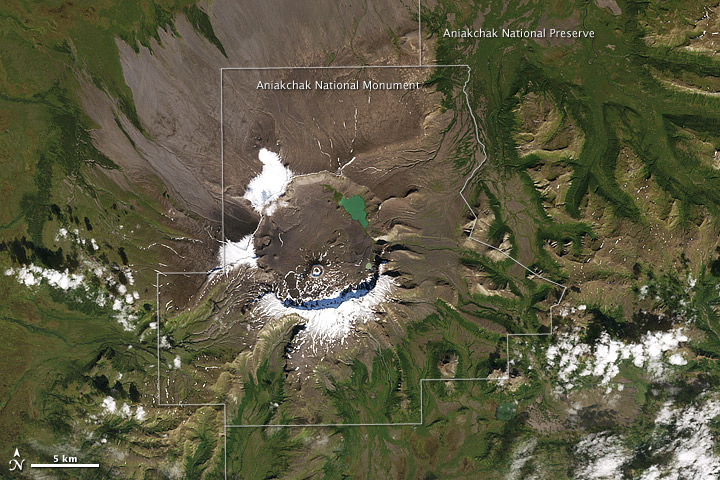
Aniakchak National Monument: A Guide to Alaska’s Hidden Gem
Where is Aniakchak National Monument located?
Aniakchak National Monument is located in the remote and rugged landscape of Alaska. It lies within the southwestern region of the state, specifically in the Aleutians East Borough. The closest town to the monument is King Cove, which is situated approximately 30 miles to the southeast. This small fishing community serves as a gateway to the wild beauty of the region, providing essential services and accommodations for visitors. The stunning natural scenery surrounding Aniakchak features volcanic landscapes, pristine rivers, and an abundance of wildlife, making it a prime destination for outdoor enthusiasts.
Get more Aniakchak National Monument Travel Tips & News here!
Best Time to Visit Aniakchak National Monument
The best time to visit Aniakchak National Monument is during the summer months from June to September. During this period, the weather is relatively mild, with temperatures ranging from 50°F to 70°F. Summer also provides longer daylight hours, allowing for extended exploration of the park. However, visitors should be aware of potential rain and wind, which can occur even in summer. As the monument is remote, it experiences fewer crowds compared to other national parks, making it an ideal getaway for those seeking solitude and adventure.
How to get to Aniakchak National Monument?
Reaching Aniakchak National Monument requires some planning, as it is not accessible by road. The nearest major airport is in Anchorage, which offers both domestic and international flights. From Anchorage, travelers can take a regional flight to King Salmon, which serves as a hub for accessing the area. From King Salmon, visitors can hire charter flights to the monument itself. It is advisable to book flights in advance, especially during peak travel seasons, as seats on smaller aircraft can fill quickly.
What to do when you arrive:
Upon arrival at Aniakchak National Monument, visitors will find limited facilities, as the monument is designed to maintain its natural beauty. There are no visitor centers within the park, so it’s crucial to prepare ahead of time. It is recommended to stay in King Cove or King Salmon, where accommodations and local amenities are available. Campgrounds are also present within the monument for those looking to immerse themselves in the wilderness. Be sure to pack sufficient supplies, including food, water, and gear, as services within the monument are minimal.
Getting Around Locally
Getting around Aniakchak National Monument typically involves hiking or using small watercraft, as there are no established roads. The rugged terrain and stunning landscapes lend themselves to exploration on foot. Be prepared for varied terrain, and ensure you are equipped with proper hiking gear. Wildlife enthusiasts may also enjoy canoeing in the park’s rivers and lakes, providing a unique perspective of the stunning surroundings.
Top Things to Do and See at Aniakchak National Monument:
- Aniakchak Crater: This massive volcanic crater is the centerpiece of the monument, measuring about 6 miles across. The crater features stunning geological formations, hot springs, and lush vegetation. Hiking around the rim offers breathtaking views and a chance to observe the unique flora and fauna that thrive in this pristine environment.
- Hot Springs: Located near the Aniakchak Crater, the natural hot springs provide a unique experience for visitors. After a day of hiking, soaking in the warm waters is an ideal way to relax and enjoy the surrounding beauty. The area is also a great spot for wildlife viewing, as animals often frequent the springs.
- Wildlife Watching: Aniakchak National Monument is home to a diverse array of wildlife, including bears, moose, and various bird species. Exploring the park offers excellent opportunities for wildlife photography and observation. Bring binoculars and a camera to capture the stunning moments.
- Rafting the Aniakchak River: The Aniakchak River flows through the monument, providing thrilling opportunities for rafting and kayaking. The river’s remote and scenic route takes adventurers through stunning landscapes, making it a memorable experience for water sports enthusiasts.
- Hiking Trails: The monument offers several hiking trails that vary in difficulty. Whether you’re a seasoned hiker or a casual walker, there are trails for everyone. The scenic routes take you through diverse ecosystems and offer panoramic views of the surrounding mountains and valleys.
Suggested Itineraries
A suggested itinerary for a three-day visit could include:
- Day 1: Arrive in King Salmon, take a charter flight to Aniakchak National Monument, and set up camp. Explore the Aniakchak Crater and enjoy the stunning views from the rim.
- Day 2: Spend the day hiking around the crater and visiting the hot springs. Bring a packed lunch to enjoy amidst the natural beauty.
- Day 3: Go rafting on the Aniakchak River, and then return to King Salmon for your journey home.
Permits & Fees
Aniakchak National Monument does not require an entrance fee, but visitors may need to obtain permits for specific activities such as backcountry camping and rafting. It’s essential to check with the National Park Service for the latest regulations and requirements before your visit to ensure a smooth experience.
Nearby Day Trips & Detours
While in the region, consider exploring nearby areas such as Katmai National Park, famous for its brown bear population and the stunning Valley of Ten Thousand Smokes. Other options include taking a fishing charter from King Cove or visiting the historic village of Sand Point, which offers a glimpse into local Aleut culture.
Local Culture & History
Aniakchak National Monument is not only a natural wonder but also a place rich in cultural history. The area has been inhabited by Native Alaskan groups for thousands of years. The Aleut people have a deep connection to the land, utilizing its resources for subsistence and cultural practices. Today, visitors can experience this history through local storytelling, art, and traditional practices celebrated by the communities in nearby towns.
Where to Stay in Aniakchak National Monument
Finding accommodations in and around Aniakchak National Monument can be a challenge due to its remote location. However, there are several options available for visitors looking to experience the stunning wilderness.
- Aniakchak National Monument Campgrounds – Backcountry camping is permitted, allowing visitors to immerse themselves in nature.
- Airbnb in King Cove – A variety of rental homes and cabins are available for a cozy stay.
- VRBO Rentals – Explore options for vacation homes in the nearby King Cove area.
- KOA Campground in King Salmon – A well-equipped campground for those who prefer an organized camping experience.
- Hotels in King Cove – A selection of local hotels that provide comfortable lodging options.
Dining Options
While dining options in the immediate vicinity of Aniakchak National Monument are limited due to its remote nature, nearby towns offer a variety of eating establishments to satisfy your hunger.
- Local Restaurants in King Cove – Enjoy fresh seafood and traditional Alaskan cuisine.
- Dining in King Salmon – Explore family-friendly options and casual eateries.
- In-Park Dining – Although limited, check for any seasonal food services available within the park.
- Grubhub – Use Grubhub to find delivery options in King Cove if you prefer dining in.
- TripAdvisor Restaurant Listings – A comprehensive guide to dining options with reviews to help you choose.
Travel Tips & Safety
Traveling to Aniakchak National Monument requires some preparation and awareness. Here are some essential tips to ensure a safe and enjoyable trip:
- National Park Safety Tips – General safety guidelines for outdoor activities.
- Weather Alerts – Stay updated on local weather conditions before and during your visit.
- Health and Safety Resources – Important information regarding health safety in the wilderness.
- Alaska DOT Alerts – Check for road conditions and alerts if traveling through the region.
- National Park Alerts – Stay informed about any alerts related to Aniakchak National Monument.
Packing List & What to Bring
When preparing for your visit to Aniakchak National Monument, it’s essential to pack wisely. Here’s a suggested packing list:
- Camping gear (tent, sleeping bags, etc.)
- Food and cooking equipment
- Water purification system
- Appropriate clothing (weather-resistant jacket, layers)
- Hiking boots or sturdy shoes
- First aid kit
- Binoculars for wildlife viewing
- Camera to capture the stunning landscapes
- Maps and navigation tools
- Sun protection (sunscreen, hats, sunglasses)
Wildlife & Nature Highlights
Aniakchak National Monument is a haven for wildlife enthusiasts and nature lovers. Some of the highlights include:
- Bears: The area is home to both black bears and grizzly bears. Visitors may spot them foraging near rivers or in the meadows.
- Birdwatching: Numerous bird species inhabit the park, including seabirds and migratory species. Bring binoculars for a closer view.
- Flora: The diverse ecosystems include tundra, wetlands, and forests, showcasing unique plant species adapted to the region.
- Geological Features: The volcanic landscape offers fascinating geological formations, including the dramatic Aniakchak Crater.
- Hot Springs: Soaking in natural hot springs surrounded by stunning views is a must-do experience.
Accessibility Information
Aniakchak National Monument is a remote area with limited accessibility. While the rugged terrain poses challenges, visitors can inquire about accessibility options:
- Contact the National Park Service for information on accessible trails and facilities.
- Consider reaching out to local outfitters for guided tours that accommodate different physical abilities.
- Be prepared for uneven terrain and varying trail conditions that may affect accessibility.
FAQs
Here are some frequently asked questions about visiting Aniakchak National Monument:
- Do I need a permit to camp in the monument? Yes, backcountry camping permits may be required. Check with the National Park Service for details.
- Is there cell phone reception in the park? Cell phone service is limited; it’s advisable to carry a GPS or a map for navigation.
- Can I fish in the rivers and lakes? Fishing is allowed in designated areas. Make sure to check local regulations and obtain necessary licenses.
- Are there guided tours available? Yes, some local outfitters may offer guided tours and excursions. Research ahead of time to book in advance.
Additional Resources
For more information and resources about Aniakchak National Monument, consider the following links:
- National Park Service – Aniakchak National Monument
- Alaska.org – Aniakchak National Monument Guide
- Adventure Alaska – Aniakchak Travel Tips
- Visit Aniakchak – Visitor Information and Resources
- Alaska State Government – Travel Resources
Follow us on social media for more!