
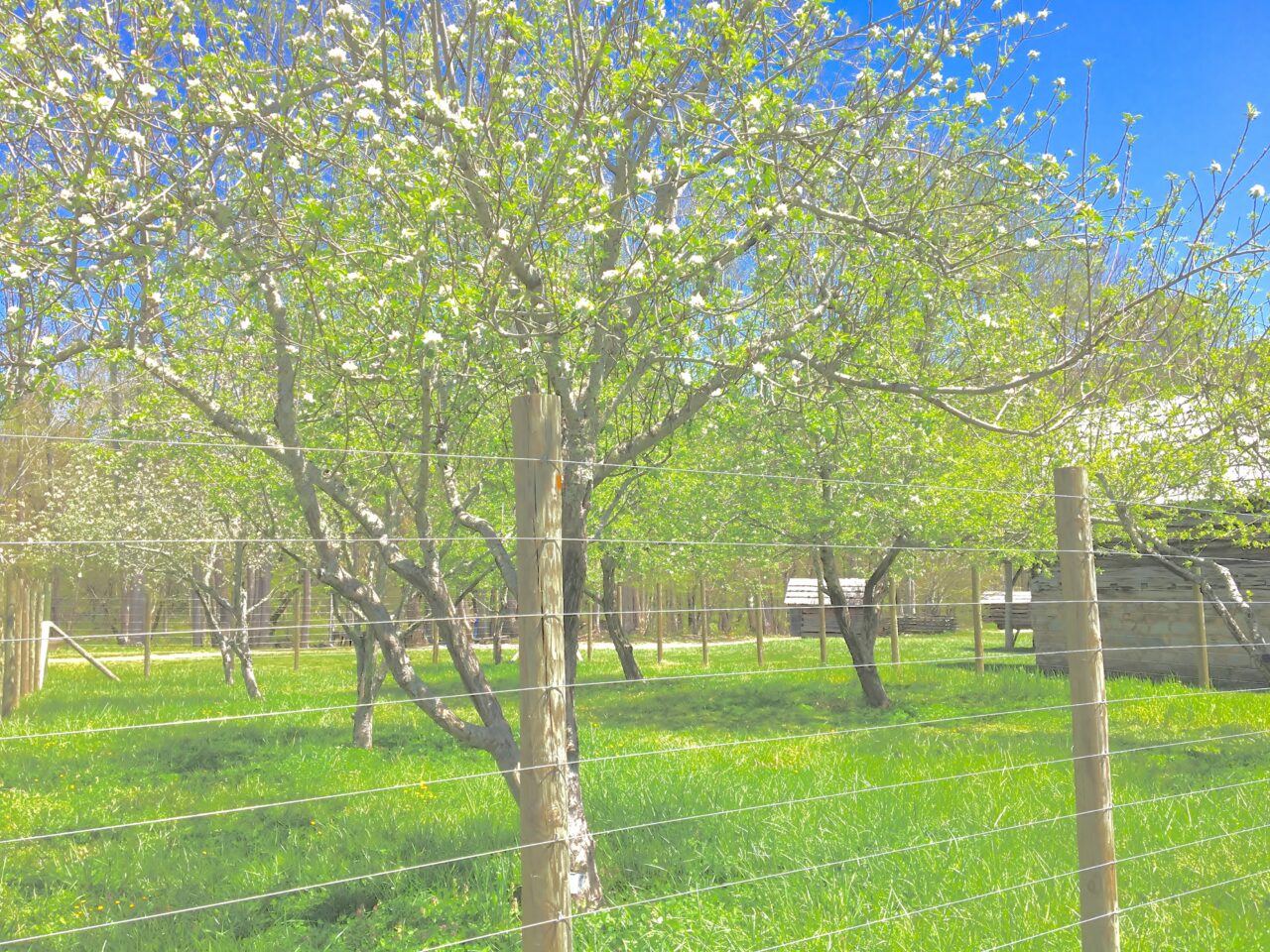
Picnicking in Great Smoky Mountains National Park is a delightful way to immerse yourself in the beauty of nature while enjoying a meal with family or friends. The diverse landscapes, ranging from serene lakeshores to picturesque overlooks and shaded forest groves, create the perfect backdrop for a leisurely lunch. Whether you’re a family looking for a relaxing day out, a road-tripper needing a scenic stop, or a photographer seeking picturesque spots, the park has something for everyone. Let’s explore the best picnic areas, optimal times to visit, and essential tips for a memorable day in this stunning national park.
Get more Great Smoky Mountains travel tips & news here.
Great Smoky Mountains National Park Location overview
Great Smoky Mountains National Park straddles the border of North Carolina and Tennessee, with easy access from nearby towns such as Gatlinburg, Pigeon Forge, and Cherokee. The park’s vastness encompasses lush forests, rolling hills, and breathtaking mountain views, making it a picturesque setting for a picnic. The surroundings often feature tranquil lakesides, verdant forest edges, and expansive greenspaces, perfect for spreading out a blanket and enjoying the great outdoors.
Best time to picnic in Great Smoky Mountains National Park
The ideal time for picnicking in Great Smoky Mountains National Park largely depends on your preferences for weather and crowd levels. Spring and fall offer mild temperatures and vibrant foliage, making them popular times for visitors. However, be prepared for occasional rain showers in spring and shifting temperatures in fall. Summer can bring heat and crowds, so early morning or late afternoon outings are best to avoid the heat and busyness. Bugs may also be more prevalent in warmer months, so consider packing bug repellent. Winter offers a quieter experience, but be mindful of potential closures and limited services.
Best picnic areas in Great Smoky Mountains National Park
- Laurel Falls Picnic Area – This area offers easy access to the scenic Laurel Falls trail, making it a popular spot for families. After a hike to the waterfall, enjoy a picnic surrounded by the sounds of nature. Amenities to look for may include tables and trash receptacles.
- Cades Cove Picnic Area – Situated in a picturesque valley, this area is ideal for those looking to enjoy a meal with stunning mountain views. It’s also a wildlife viewing hotspot, especially for deer and wild turkeys. Check for amenities commonly found here, like restrooms and trash disposal.
- Chimneys Picnic Area – Located near a popular hiking trail, this area provides a great spot for a picnic before or after your hike. The setting is tranquil, with a backdrop of rocky outcrops and lush trees. Amenities may include picnic tables and waste bins.
- Metcalf Bottoms Picnic Area – This area features a lovely riverside setting, perfect for cooling off during warmer months. The sound of rushing water adds to the ambiance, making it a great choice for a relaxing meal. Facilities often include picnic tables and trash facilities.
- Greenbrier Picnic Area – A quieter option for those seeking solitude, this area is surrounded by beautiful rhododendrons and offers access to several hiking trails. It’s perfect for nature lovers looking to enjoy a peaceful meal in the woods. Look for commonly available amenities such as picnic tables.
- Elkmont Picnic Area – Located near the historic Elkmont district, this area provides a unique blend of history and nature. Enjoy your meal surrounded by remnants of old cabins and lush greenery. Amenities often include trash receptacles and picnic tables.
- Newfound Gap Picnic Area – Located at one of the park’s highest points, this area offers breathtaking views and a cool breeze. It’s a great spot for a quick stop while driving through the park. Verify on-site amenities, which may include tables and trash facilities.
- Smokemont Picnic Area – This spot offers a serene environment along the Oconaluftee River, making it ideal for families. The sound of the flowing river enhances the picnic experience. Amenities to look for may include tables and waste bins.
- Oconaluftee Visitor Center Area – This developed area provides a convenient spot for picnics, with access to visitor information and trails. It’s a great place for families and those wanting to learn more about the park. Check for available facilities like picnic tables and restrooms.
- Foothills Parkway Picnic Area – For those seeking stunning views without venturing deep into the park, this area offers scenic overlooks with picnic spots. Perfect for short stops on a road trip, amenities may include tables and trash receptacles.
What to bring
When planning a picnic in Great Smoky Mountains National Park, it’s essential to pack wisely. Consider including the following items in your picnic kit:
- Reusable trash bag to carry out all your waste
- Wet wipes or hand sanitizer for easy clean-up
- A blanket or portable chairs for comfort
- A small cutting board and knife for any food prep
- An insulated bag for keeping drinks and perishables cool
- Water bottles for hydration
- Layers of clothing to accommodate changing weather
- Insect repellent to fend off bugs
- A plan for wind protection, such as weighted items to hold down your blanket
Also, remember to leave valuables out of sight in your vehicle.
Activities & Guides at Great Smoky Mountains National Park
Pet-friendly tips
Bringing a dog along for your picnic can be a wonderful experience, but it’s essential to know the park’s pet policies. Dogs must be leashed at all times, and some areas may restrict pets on trails and in buildings. Always pack enough water and waste bags to clean up after your pet. Keeping your dog away from wildlife interactions is vital, so monitor their behavior closely. For the latest regulations and pet-friendly areas, verify details on the official site before you go.
Facilities to expect
In developed picnic areas, you can often find restrooms and drinking water, but these facilities may be seasonal. To ensure you have enough water for your outing, consider filling up in nearby towns or visitor hubs before heading into the park. It’s advisable to bring extra water, especially during warmer months when temperatures rise.
Grills and fire rules
When planning to cook at your picnic, it’s crucial to follow the park’s fire regulations. Only use designated grills if they are provided and allowed, and never assume you can have open flames, as fire restrictions can change rapidly. Always check the official site for current fire rules to ensure a safe and enjoyable experience.
Leave no trace
Practicing Leave No Trace principles is essential for preserving the natural beauty of Great Smoky Mountains National Park. Be sure to pack out all trash, secure food to avoid attracting wildlife, and keep noise levels down to respect the tranquility of the environment. Stay on durable surfaces to prevent damage to natural habitats, and strive to leave the picnic spot cleaner than you found it.
Local market stops
For a tasty and convenient picnic, consider stopping at local markets, delis, or bakeries in nearby towns like Gatlinburg or Pigeon Forge. These locations often offer fresh produce, ready-made meals, and delicious baked goods that are perfect for a picnic. Focus on non-messy options like sandwiches, fruit, and snacks that are easy to pack and enjoy outdoors.
Fees and permits
Before your visit to Great Smoky Mountains National Park, be aware that entry fees, day-use fees, or parking permits may apply. Always check the official park/site for current details to ensure you are fully prepared for your outing.
As you plan your picnic in Great Smoky Mountains National Park, remember to verify rules, arrive early to secure a good spot, bring a trash bag for your waste, and have a backup picnic location in mind. Enjoy the beauty of the park while creating lasting memories!
Where to stay
When visiting Great Smoky Mountains National Park, there are various lodging options that cater to different preferences and budgets. Whether you prefer a rustic retreat or convenient access to park amenities, the choices are plentiful. Many visitors opt for accommodations in nearby towns, where you can find everything from cozy motels to luxurious hotels, making it easy to explore the park while enjoying comfort and convenience.
For those looking for a more immersive experience, consider renting a cabin or vacation home. These options often provide a unique atmosphere and proximity to nature, allowing you to unwind after a day of exploring the park. Additionally, campgrounds within the park offer a chance to experience the great outdoors firsthand, whether you’re pitching a tent or utilizing an RV. For planning assistance, you can check resources like National Park Magazine.
- Hotels
- Motels
- Cabins
- Campgrounds
- Vacation rentals
- Hostels
- Bed & Breakfasts
Book a Stay near Great Smoky Mountains National Park
Dining options
The dining scene near Great Smoky Mountains National Park is as diverse as the landscapes within it. Visitors can find a variety of food options ranging from casual eateries and diners to more upscale restaurants. Many establishments focus on local ingredients, offering a taste of Appalachian cuisine, which can include dishes featuring fresh produce, meats, and dairy products from the surrounding area. When planning your meals, be mindful that hours may vary by season, and it’s often a good idea to make reservations, especially during peak tourist seasons.
For those with specific dietary needs, many restaurants are accommodating and can offer vegetarian, vegan, or gluten-free options. Always inquire about menu choices to ensure a satisfactory dining experience. If you’re looking for more tips on dining, consider following along on National Park Adventurers for inspiration and updates.
Travel tips and safety
Planning a visit to Great Smoky Mountains National Park requires attention to safety considerations, especially given the park’s diverse environment and unpredictable weather. It is essential to stay informed about current conditions and to be prepared for changes in weather, as temperatures can fluctuate significantly throughout the day. Always inform someone of your plans, especially if venturing on longer hikes or less-trafficked trails.
- Check the weather forecast before your visit and dress in layers to accommodate temperature changes.
- Stay on marked trails to protect yourself and preserve the natural environment.
- Carry sufficient water, especially during warmer months when dehydration can occur quickly.
- Be cautious of wildlife; maintain a safe distance and never feed animals.
- Keep an eye out for sudden weather changes that can lead to hazardous conditions, such as rain or lightning.
- Familiarize yourself with trail conditions and closures, as some paths may be affected by heavy rain or fallen trees.
- Have a plan in case of emergencies; carry a basic first aid kit and know the location of the nearest ranger station.
- Be mindful of bugs during summer months; consider wearing long sleeves and using insect repellent.
Packing list and what to bring
Essentials
- Backpack for day hikes
- First aid kit
- Maps or guidebooks
- Flashlight or headlamp
- Multi-tool or knife
Clothing
- Weather-appropriate outerwear (rain jacket, windbreaker)
- Hiking boots or sturdy shoes
- Comfortable clothing for layering
- Hat and sunglasses for sun protection
- Swimwear if planning to visit rivers or lakes
Food & water
- Non-perishable snacks (nuts, granola bars)
- Lunch items (sandwiches, salads)
- Reusable water bottles or hydration packs
- Portable cooler for perishable items
Optional / nice-to-have
- Binoculars for wildlife viewing
- Camera for capturing scenic views
- Field guides for plants and animals
- Portable charger for electronic devices
- Camping gear if planning to stay overnight in the park
Wildlife and nature highlights
Great Smoky Mountains National Park is home to a rich diversity of wildlife and plant species, making it a fascinating destination for nature enthusiasts. Visitors may encounter black bears, deer, wild turkeys, and various bird species throughout the park. The changing seasons play a significant role in wildlife activity; for example, spring brings vibrant wildflowers and the emergence of newborn animals, while fall showcases the stunning colors of foliage and increased animal activity in preparation for winter. However, wildlife sightings are never guaranteed, so maintaining a respectful distance is crucial.
When observing wildlife, it is essential to adhere to Leave No Trace principles. This means not approaching or feeding animals and minimizing noise to avoid disturbing their natural behaviors. Staying on trails and maintaining a clean campsite will help protect the habitats of these creatures. Additionally, understanding seasonal patterns can enhance your chances of spotting various species, making each visit unique and memorable.
Accessibility information
For visitors with accessibility needs, Great Smoky Mountains National Park has made efforts to ensure that certain areas are accessible. Many paved roads and parking lots facilitate easy access to key attractions and visitor centers. However, surfaces can vary, and some trails may have steep grades or rough terrain. It is advisable to check the official accessibility pages for the most current information on trail conditions and available facilities.
Restroom facilities are available at major visitor centers and some picnic areas, but their accessibility may differ. Parking can sometimes be limited, especially during peak seasons, so plan for potential crowding. If audio or visual assistance is needed, contacting visitor centers ahead of time can provide helpful insights. Ensuring that your visit is enjoyable involves thorough preparation and understanding of the park’s layout.
FAQs
What is the best time to visit Great Smoky Mountains National Park?
The best time to visit the park often depends on your interests. Spring and fall are popular for mild weather and beautiful scenery, while summer can be warm and crowded. Winter offers a quieter experience, but some facilities may be closed.
Can I bring my pet to the park?
Pets are allowed in certain areas of the park, but they must be leashed at all times. However, some trails and facilities may restrict pet access, so check the official site for details.
How do I avoid crowds at popular spots?
To avoid crowds, consider visiting during weekdays, arriving early in the morning, or exploring less-traveled trails and picnic spots.
Is there cell service in the park?
Cell service can be spotty in many areas of the park. It’s advisable to download maps and information before your visit.
What should I do if the weather changes suddenly?
If weather conditions change unexpectedly, seek shelter as needed and be prepared to adjust your plans. Always carry layered clothing to accommodate temperature shifts.
Are there restrooms and water available in the park?
Restrooms and drinking water are available at select visitor centers and picnic areas, but availability may vary by season, so plan accordingly.
Do I need a permit for hiking?
Most trails do not require a permit; however, backcountry camping and certain activities may have specific requirements. Always check the park’s regulations before your visit.
Additional resources
For those planning a trip to Great Smoky Mountains National Park, various resources are available to enhance your experience and ensure a smooth visit. Below is a list of types of resources you may find helpful:
- Official site and trip planner pages
- Alerts / closures / conditions
- Weather forecast
- Road conditions
- Permits and reservations info
- Visitor center hours and contacts
- Maps and accessibility info
- Leave No Trace guidance
Follow us on social media for more.