
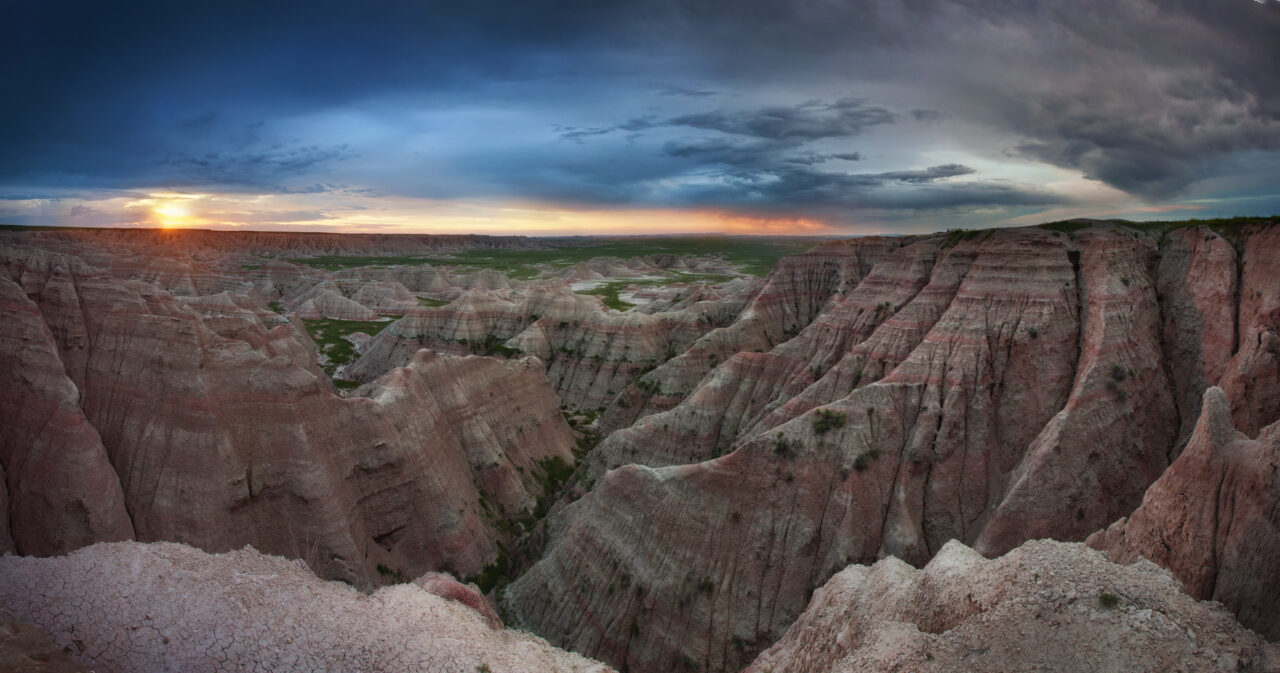
Badlands National Park is a stunning natural wonder in South Dakota, known for its dramatic landscapes, unique geological formations, and rich fossil beds. It’s an ideal destination for outdoor enthusiasts, families, and anyone looking to immerse themselves in nature’s beauty. Whether you’re hiking, photographing the breathtaking vistas, or exploring the wildlife, this park offers an unforgettable experience.
Get more Badlands travel tips & news here.
Where is it?
Located in southwestern South Dakota, Badlands National Park spans over 240,000 acres of rugged terrain and striking formations. The nearest gateway town is Wall, a small community famous for its iconic Wall Drug Store. Rapid City, approximately an hour away, serves as a larger urban hub with additional amenities and attractions. The park’s vast landscapes showcase the beauty of the Great Plains, making it easily accessible for visitors traveling through the region.
Best time to go
The best time to visit Badlands National Park is during the spring and fall months, when temperatures are milder and crowds are thinner. Spring brings vibrant wildflowers and wildlife activity, while fall showcases stunning autumn colors. Summer, while popular, can be hot, with temperatures often exceeding 90°F (32°C), leading to larger crowds and potential park closures due to extreme heat. Winter offers a unique experience with fewer visitors but can present challenging weather conditions, including snow and icy trails.
How to get there
Accessing Badlands National Park is straightforward by car, with Interstate 90 running close to the northern edge of the park. Visitors can enter from several points, including the Pinnacles Entrance and the Northeast Entrance. For those flying in, the nearest regional airports vary by route—check maps for the best options. Driving from nearby cities like Sioux Falls or Rapid City provides scenic views and a chance to explore the surrounding landscape.
Your first hour
Upon arrival, your first stop should be the Ben Reifel Visitor Center, located near the park entrance. Here, you can obtain maps, learn about current conditions, and get advice from knowledgeable rangers. Don’t forget to check if you need any permits for specific activities, such as backcountry camping. The visitor center also includes exhibits that provide insight into the park’s unique geology and wildlife.
Getting around
Getting around Badlands National Park is primarily done by car, as the park features a scenic loop road that connects many key viewpoints and trailheads. There are designated parking areas at popular stops, making it easy to explore on foot. For those looking to hike, be prepared with proper footwear and water. While biking is allowed on the roads, off-road cycling is not permitted due to the rugged terrain.
Top things to do
- Badlands Loop Road: This 31-mile scenic drive offers breathtaking views of the park’s geological formations. Be sure to stop at overlooks like Big Badlands Overlook for stunning panoramic vistas.
- Notch Trail: A popular 1.5-mile hike that features a dramatic ladder climb and leads to amazing views of the White River Valley. This trail is a must-do for those seeking a bit of adventure.
- Wall Drug Store: A quirky roadside attraction just outside the park, Wall Drug offers shopping, dining, and unique exhibits. It’s a great family-friendly stop that draws visitors from all over.
- Fossil Exhibit Trail: This easy, 0.5-mile loop showcases real fossil replicas and provides insight into the prehistoric creatures that once roamed the area. It’s perfect for families and those interested in geology.
- Sage Creek Wilderness Area: For a quieter experience, head to this remote area to explore less-traveled trails and enjoy wildlife sightings, including bison and prairie dogs.
- Sunset Point: One of the best spots to catch the sunset, this viewpoint offers breathtaking views as the setting sun casts vibrant colors across the Badlands formations.
- Medicine Root Loop: A 4-mile loop that provides hikers with an immersive experience in the park’s unique flora and fauna, this trail is both scenic and educational.
Suggested itineraries
For a one-day visit, start with a morning drive along the Badlands Loop Road, stopping at key viewpoints like the Pinnacles and Big Badlands Overlook. After lunch at the visitor center, hike the Notch Trail for stunning views, then finish your day at Sunset Point.
If you have two to three days, consider the following: On day one, follow the one-day plan. On day two, explore the Fossil Exhibit Trail and Sage Creek Wilderness Area, and spend the evening at Wall Drug Store. On day three, hike the Medicine Root Loop and enjoy additional scenic drives or take part in ranger-led programs if available.
Fees and permits
Entry to Badlands National Park requires a fee. Specific details regarding fees, permits for special activities, and possible discounts for seniors or children can be found on the official park website. Make sure to check for any updates on regulations or requirements before your visit.
Nearby day trips
- Mount Rushmore National Memorial: Located about an hour from the park, this iconic monument is a must-see, offering additional hiking trails and visitor center exhibits.
- Wind Cave National Park: Just over an hour away, this park features stunning underground caverns and scenic hiking trails above ground. It’s an excellent option for geology enthusiasts.
- Badlands Ranch Tours: Explore the surrounding area with guided tours that provide insight into the local ranching culture and history. Check local options for availability.
- Black Hills: A short drive will take you to the beautiful Black Hills region, known for its lush forests, scenic drives, and outdoor activities.
- The City of Wall: Besides Wall Drug Store, this town offers unique shops and eateries, making it a fun stop for a meal or souvenirs.
History and culture
Badlands National Park is rich in both natural and cultural history. The area has been inhabited by Native American tribes for thousands of years, with the Lakota Sioux being the most prominent. The park is home to an array of fossils, providing a glimpse into the ancient ecosystems that once thrived here. The unique geological formations, shaped by erosion and sedimentation, tell a story of millions of years of Earth’s history, making it a fascinating destination for those interested in both nature and history.
With its diverse landscapes and rich history, Badlands National Park is a destination that promises adventure, education, and unforgettable memories. Prepare to explore and be amazed by this natural treasure.
In this section:
Where to stay ·
Dining ·
Travel tips & safety ·
Packing list ·
Wildlife ·
Accessibility ·
FAQs ·
Resources
Where to stay
When planning your visit to Badlands National Park, a variety of lodging options are available to suit different preferences and budgets. Here are some categories to consider:
- Campsites: The park offers both developed campgrounds and backcountry camping for those seeking a more immersive nature experience.
- Motels and Hotels: Nearby towns like Wall and Rapid City provide a range of motels and hotels for those preferring more comfort and amenities.
- Cabins and Lodges: Some local operators offer cabins and lodges that provide a rustic feel with modern conveniences.
- Vacation Rentals: Explore options like vacation homes or rental units for families or groups looking for more space and a home-like atmosphere.
For further information on accommodations, visit National Park Magazine.
Dining options
Dining near Badlands National Park offers a range of choices, from casual eateries to more formal dining experiences. Whether you’re looking for a quick bite or a sit-down meal, you can find something to satisfy your appetite:
- Fast Casual Dining: Enjoy quick and convenient options like sandwiches, burgers, and salads that are perfect for a lunch break.
- Family-Friendly Restaurants: Many establishments cater to families with diverse menus that include kid-friendly choices.
- Local Cuisine: Experience regional specialties that highlight local ingredients and flavors, providing a taste of South Dakota.
- Picnic Options: Grocery stores and shops in nearby towns offer supplies for those who prefer dining amidst nature with a packed picnic.
For more tips on dining, follow us on Facebook.
Travel tips and safety
Safety is paramount while exploring Badlands National Park. Here are some scenario-based tips to ensure a safe and enjoyable visit:
- Weather Flips: Be prepared for sudden weather changes; carry layers and check forecasts frequently.
- Trail Conditions: Before hiking, inquire at the visitor center about trail conditions, especially after rain or snow.
- Heat Management: In summer, stay hydrated and avoid strenuous activities during peak heat hours. Wear sun protection.
- Cold Weather Precautions: During winter, dress in warm layers and be cautious of icy trails and road conditions.
- Wildlife Etiquette: Maintain a safe distance from wildlife; do not approach animals for photos or feeding.
- Altitude Awareness: If hiking at higher elevations, take time to acclimate and be aware of altitude sickness symptoms.
- Tide Awareness: If exploring areas near water, be cautious of tide changes and ensure you know your exit routes.
Packing list and what to bring
To make the most of your trip, here’s a categorized packing list to consider:
- Essentials:
- Water bottles or hydration packs
- First-aid kit
- Map and compass or GPS device
- Sun protection (sunscreen, sunglasses, hat)
- Clothing:
- Layered clothing for variable weather
- Sturdy hiking boots or shoes
- Rain gear or a light jacket
- Warm clothing for cooler evenings
- Food & Water:
- Snacks like trail mix, energy bars, or fruits
- Picnic supplies if planning to dine outdoors
- Portable cooking gear (if camping)
- Optional:
- Camera or binoculars for wildlife viewing
- Notebook or sketchbook for journaling
- Portable phone charger
Wildlife and nature highlights
Badlands National Park is a haven for wildlife enthusiasts. Visitors may encounter bison, prairie dogs, and various bird species. Here are some important reminders:
- Leave No Trace: Follow Leave No Trace principles to minimize your impact on the environment. Pack out what you pack in.
- Wildlife Viewing Etiquette: Observe wildlife from a safe distance; never approach or feed animals.
- Seasonal Notes: Different species might be more visible during certain seasons. Spring and summer are great for spotting newborn wildlife.
Accessibility information
While Badlands National Park aims to be accessible, conditions may vary. Here’s what to expect:
- Some viewpoints and trails have accessible options, but the rugged terrain can be challenging.
- Restrooms at visitor centers and campgrounds are equipped for easier access.
- Check with park staff for specific trails and areas that may accommodate visitors with mobility limitations.
FAQs
- What are the park hours? Badlands National Park is open year-round; however, some facilities may have seasonal hours. Check the official site for details.
- Are pets allowed in the park? Pets are permitted in certain areas but must be leashed and cleaned up after. Refer to the park’s regulations for specifics.
- Is there cell service in the park? Cell service can be spotty in remote areas of the park, so plan accordingly.
- Can I camp in the backcountry? Yes, but you’ll need to obtain a permit from the visitor center before setting out.
- Are there ranger-led programs available? Yes, during peak seasons, ranger-led programs are offered. Check the schedule at the visitor center for availability.
Additional resources
For comprehensive information and updates regarding your visit, explore these resource types:
- Official park website for alerts and regulations
- Weather updates and forecasts
- Road conditions and closures
- Visitor center information and program schedules